
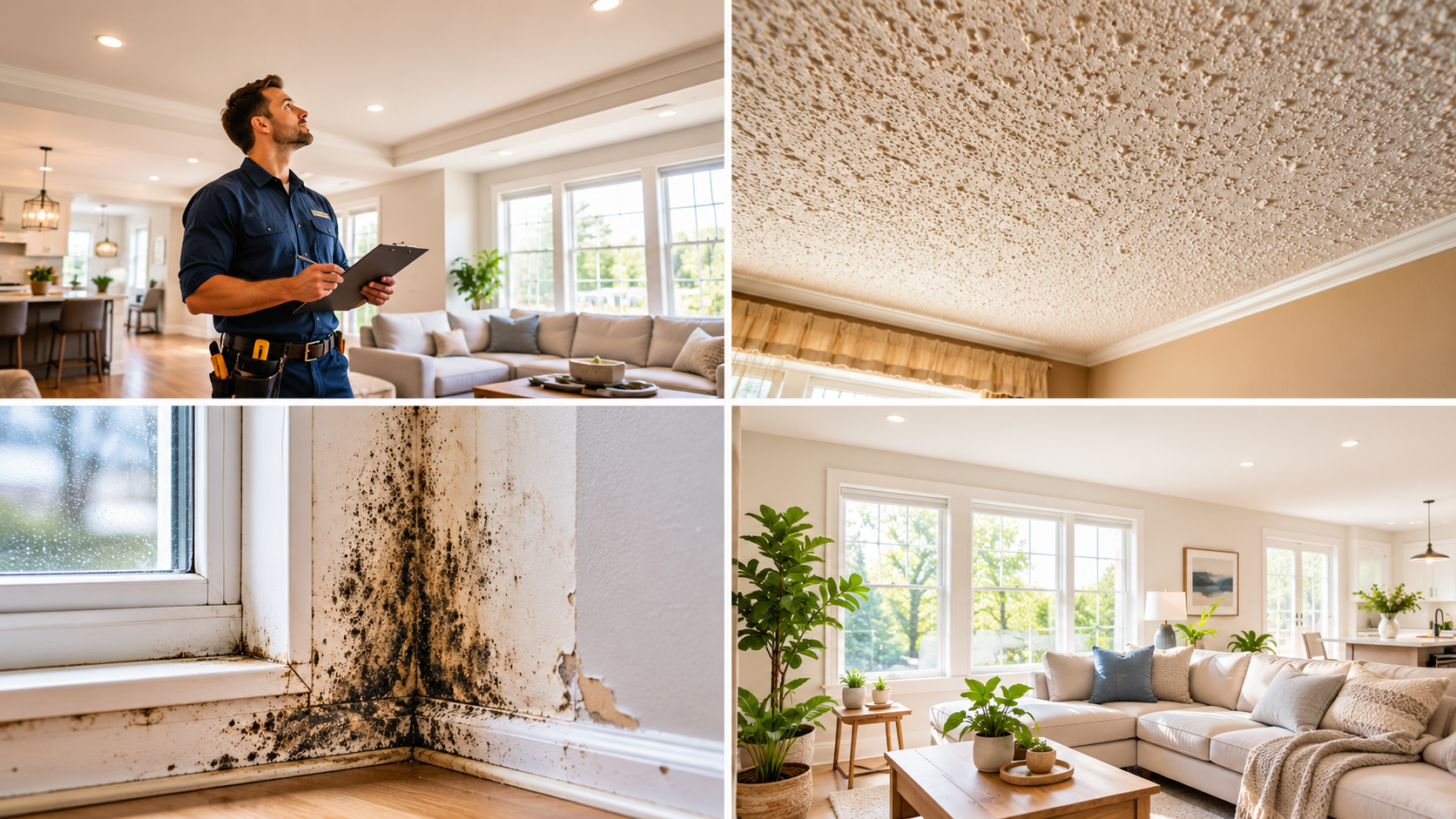
Home Environmental Testing in Toronto
Asbestos, Mold, Lead, Indoor Air Quality, Formaldehyde & Chinese Drywall Testing Guide
By Sony — Master of Ceilings | Serving Toronto & the GTA Since 2010
If you live in an older home or condo in the Greater Toronto Area, there’s a good chance something in your air or your walls deserves a second look. Maybe you smell something musty in the basement. Maybe you’re about to renovate a 1970s home and you’re worried about what’s hiding in the ceiling. Maybe you just bought a place and you want peace of mind before you move the kids in.
I’m Sony, owner of Master of Ceilings. For over 15 years, my team and I have worked inside hundreds of older homes and condos across Toronto, Mississauga, Vaughan, Markham, Richmond Hill, North York, Etobicoke, Scarborough, Brampton, Oakville, Burlington, Pickering, Ajax, Whitby, Oshawa, Hamilton and beyond. And in all those years, one thing keeps coming up again and again: people have no idea what’s actually in their home until someone tests it.
That’s what this guide is about. I’ll walk you through the main home environmental tests we help GTA homeowners with — asbestos, mold, lead, indoor air quality, formaldehyde and Chinese drywall — what each one is, why it matters, how the sample is collected, what it costs, and what your options are after the results come back.
No scary marketing. No pressure. Just honest information from someone who’s been inside these homes every week for 15 years.
Let’s get into it.
First — How We Actually Help With Testing
Let me be straight with you, because honesty is how I built this business.
We don’t run the lab. The actual analysis is done by a certified environmental lab. What we do is the part that matters to you: we come to your home, carefully collect the sample the right way, send it to the lab, and then sit down with you and explain exactly what the results mean — in plain language, not science talk.
And here’s the important part: once you know what you’re dealing with, we handle the work that comes next. Encapsulation, smooth ceiling finishing, drywall repair, painting, water damage restoration — that’s what we’ve done for thousands of GTA homes since 2010.
So think of testing as step one. It tells us the truth about your home. Then we fix it the right way.
Why Home Environmental Testing Matters in Toronto
Toronto and the GTA are full of older housing stock. Whole neighborhoods were built in the 1950s, 60s and 70s — and back then, builders used materials we now know can be harmful. On top of that, our climate (cold winters, humid summers, lots of basements) is a perfect recipe for moisture and mold problems.
You can’t see most of these hazards with your eyes. Asbestos fibers are microscopic. Mold often grows behind walls. Lead hides under layers of newer paint. Bad air quality has no color and no smell you’d notice. The only way to know for sure is to test.
Here’s where each problem tends to show up:
- Asbestos — popcorn ceilings, old floor tiles, insulation, drywall compound in homes built before the late 1980s
- Mold — basements, bathrooms, behind walls after a leak, around windows, anywhere moisture sits
- Lead — old paint in homes built before 1980, especially on trim, doors and windows
- Poor indoor air quality — new homes too, from off-gassing furniture, flooring, paint and poor ventilation
- Formaldehyde — new cabinets, laminate flooring, pressed-wood furniture
- Chinese drywall — certain homes built or renovated in the mid-2000s
If any of this sounds like your home, keep reading. I’ll cover them one by one.
Test #1 — Asbestos Testing
This is the big one, and the test we get asked about the most. If you’ve read our asbestos guide on masterceiling.ca, you already know the basics. Here’s the short version.
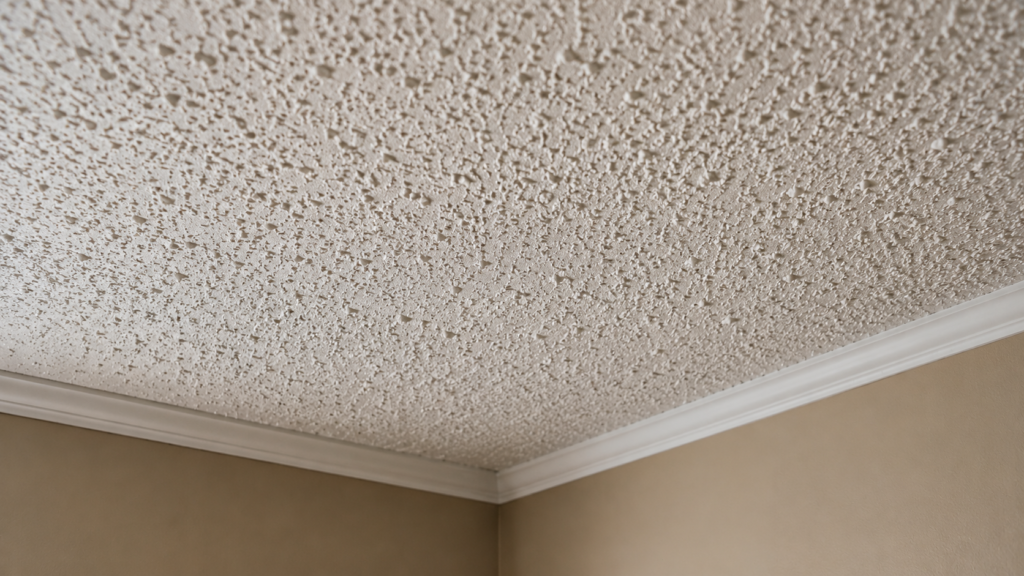
What Is Asbestos?
Asbestos is a natural mineral that was added to building materials before the late 1970s because it was fireproof, strong and cheap. The problem? Breathing in asbestos fibers can cause serious lung diseases decades later. Canada banned it in most building materials, but older homes still have it.
Where It Hides in GTA Homes
- Popcorn (stucco) ceilings
- Old vinyl floor tiles and the glue under them
- Drywall joint compound
- Pipe and furnace insulation
- Some older textured walls
Homes built before the mid-1970s have the highest chance. Homes from the late 1970s to early 1980s still might. After the mid-1980s, the risk drops a lot — but the only way to know is a test.
How We Collect the Sample
We take a small piece (about the size of a coin) from the material in question. We wet the area first so nothing goes into the air, bag it safely, and send it to the lab. Simple, fast, safe. We never scrape or sand a suspect ceiling before it’s tested — that’s the dangerous part, and it’s exactly what we help you avoid.
What It Costs in Toronto
A single material sample (like a popcorn ceiling) generally runs $150 to $300, and a full-home check with multiple samples can run $400 to $800 depending on how many materials need testing and how fast you need the results.
What Happens After
If it comes back clean, we can move ahead with normal popcorn ceiling removal. If asbestos is found and the ceiling is in good shape, encapsulation is usually the best choice — we cover it permanently with plaster and a smooth finish so the asbestos stays locked in place forever. If full removal is ever needed, that’s a specialist job and we’ll point you to the right people.
Test #2 — Mold Testing
After asbestos, mold is the test GTA homeowners ask about most — and honestly, it might be the most common hidden problem in our area.
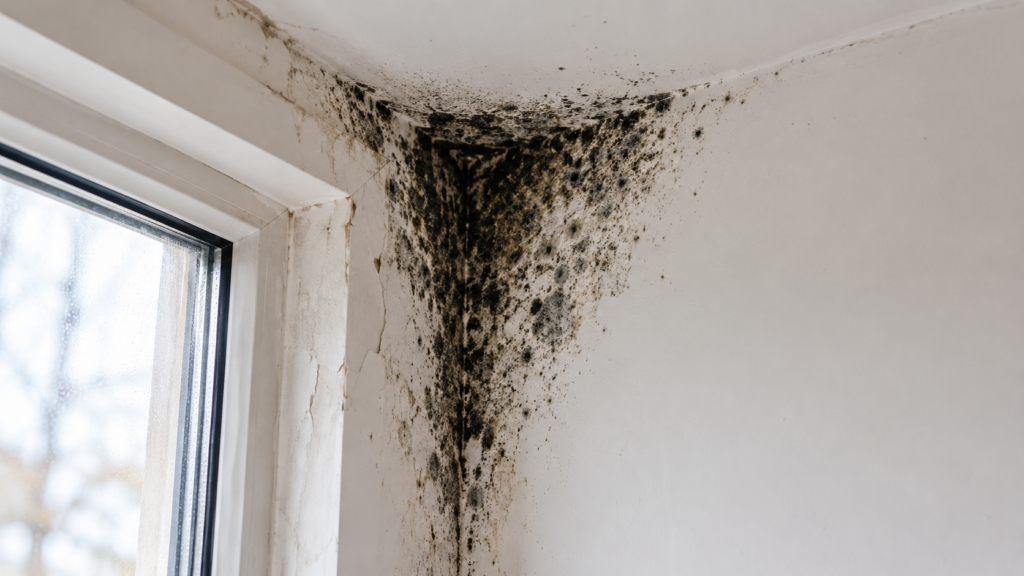
Why Mold Is Such a Big Deal in Toronto
Our climate is rough on homes. Cold winters cause condensation. Humid summers feed moisture. Basements stay damp. Old windows leak. A small roof or plumbing leak you never noticed can quietly grow mold inside a wall for months.
Mold isn’t just ugly. For people with allergies, asthma or weaker immune systems, it can cause real health problems — sneezing, coughing, itchy eyes, breathing trouble, headaches. Kids and older folks feel it the most.
Signs You Might Have Mold
- A musty, earthy smell that won’t go away
- Dark spots on walls, ceilings or grout
- Paint that bubbles, peels or cracks
- Warped or swollen drywall or wood
- Past water damage that was never fully dried out
- Allergy symptoms that get worse indoors
How Mold Testing Works
There are two common ways the sample is collected. Air sampling uses a small pump to catch mold spores floating in the air, which are then counted at the lab. Surface sampling is a simple swab or tape lift from a spot where you can see or suspect mold. Often both are used together — indoor air, outdoor air for comparison, plus a surface sample if there’s visible growth.
What It Costs in Toronto
A basic mold assessment with a couple of samples and lab analysis generally runs $350 to $700 for a typical home. Bigger homes, hard-to-reach spots like crawl spaces and attics, and rush results push it toward the higher end.
What Happens After
If mold is found, the first job is always to fix the moisture source — there’s no point cleaning mold if the leak that caused it is still there. After that, we handle the ceiling and drywall side of things: removing and replacing damaged drywall, repairing water-damaged ceilings, skimming, and repainting so your home looks new again. For heavy contamination, specialized remediation may be needed first, and we’ll be honest with you about when that’s the case.
Test #3 — Lead Paint Testing
This one surprises people, but it’s important — especially if you have young children or you’re about to sand or renovate old painted surfaces.
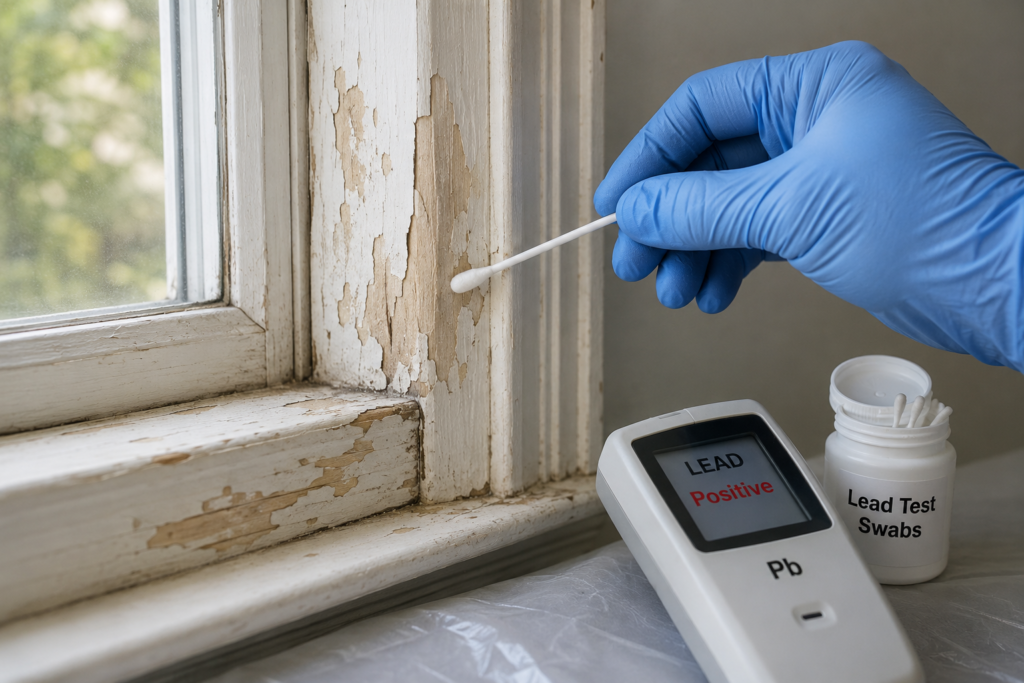
Why Lead Paint Matters
Lead was common in house paint until it was restricted around 1980. If your home is older than that, the original paint on your trim, doors, windows and walls may contain lead — usually buried under newer coats. As long as it’s sealed and not disturbed, it sits there quietly. The danger comes when that paint gets sanded, scraped or chipped, which releases lead dust. Lead is especially harmful to young kids and pregnant women.
When You Should Test
- Your home was built before 1980
- You’re about to sand, scrape or renovate painted surfaces
- Paint is chipping, peeling or flaking
- You have young children in the home
- You’re buying an older property
How It’s Tested
A small paint sample (including all the layers down to the surface) is carefully collected and sent to the lab, which measures the lead content. We make sure the sample is taken cleanly so we’re not creating dust in the process.
What It Costs in Toronto
A lead paint inspection generally runs around $240 to $440, depending on the size of the home and how many surfaces or samples are involved. Larger or older homes with lots of trim and detail can run higher.
What Happens After
If lead is found, you’ve got two main paths: encapsulation (sealing it safely under new paint, drywall or a fresh finish) or full removal by a specialist. For most homeowners, sealing it under a clean new surface is the affordable, safe choice — and finishing surfaces beautifully is exactly what we do.
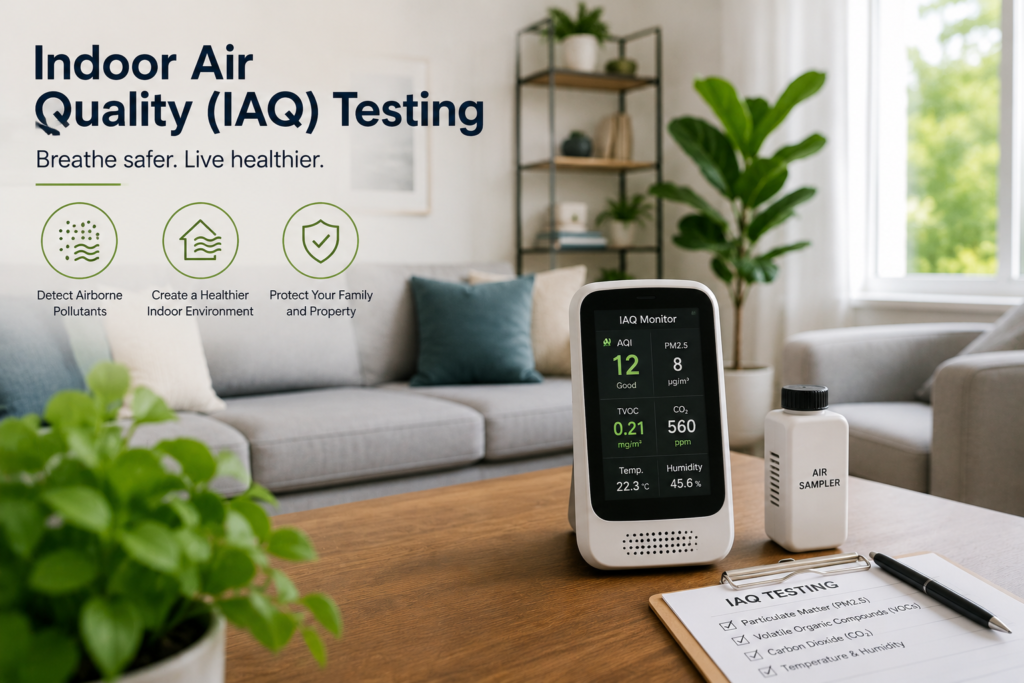
Test #4 — Indoor Air Quality (IAQ) Testing
Not every problem is in your walls. Sometimes it’s in the air you breathe every day — and you’d never know.
Why Air Quality Testing Is Worth It
Modern homes are sealed up tight for energy efficiency, which is great for heating bills but bad for fresh air. That means whatever gets into your air — dust, chemicals, mold spores, gases — tends to stay there. Poor indoor air can cause headaches, tiredness, irritated eyes and throat, and worse sleep, and a lot of people blame everything except their air.
What Air Quality Testing Looks For
Depending on what you’re worried about, air testing can check for things like mold spores, volatile organic compounds (VOCs) from paints and cleaners, and general air contaminants. It’s a good choice if you have unexplained symptoms indoors, recent renovations, or you just want to know your family is breathing clean air.
How It’s Tested
A pump draws air through a special cassette or canister over a set period, capturing what’s floating around. That sample goes to the lab and you get a report showing what was found and at what levels.
What It Costs in Toronto
A residential indoor air quality assessment generally runs $250 to $600, depending on how many samples are taken and what you’re testing for. Combining tests (like air quality plus mold) is often more cost-effective than ordering them separately.
What Happens After
The results point to the source — whether it’s moisture and mold, off-gassing materials, or poor ventilation. From there it’s about fixing the cause and improving airflow. Where the problem ties into ceilings, drywall, water damage or finishes, that’s where we come in.
Test #5 — Formaldehyde Testing
This one’s more common in newer homes and renovations, which catches people off guard.
Where Formaldehyde Comes From
Formaldehyde is a chemical used in a lot of modern building products — pressed-wood furniture, laminate and engineered flooring, kitchen cabinets, and some insulation. Brand-new materials “off-gas” this chemical into your air, especially when everything is freshly installed and the home is sealed tight. It can cause irritated eyes, nose and throat, headaches and breathing discomfort.
When to Consider It
- You recently installed new cabinets, flooring or furniture
- You notice a strong chemical smell that won’t fade
- You or your family get headaches or irritation after a renovation
- You’re sensitive to chemicals or have respiratory issues
How It’s Tested
Air is collected over a set time using a special sampler designed to capture formaldehyde, then analyzed at the lab. It’s often bundled with a VOC air-quality panel for a fuller picture.
What It Costs in Toronto
A dedicated formaldehyde assessment generally runs around $250 to $500. Bundling it with a broader VOC or air-quality test usually costs less than ordering each one on its own.
What Happens After
If levels are high, the fix is usually about time, ventilation and sometimes removing or sealing the offending material. We can help with the finishing and sealing side where it makes sense.
Test #6 — Chinese Drywall Testing
This is a rarer one, but worth knowing about if your home was built or renovated during a specific window.
What Is Chinese Drywall?
During the mid-2000s building boom, some imported drywall was found to give off sulfur gases. These gases can cause a rotten-egg smell, corrode metal (you’ll sometimes see blackened copper wiring, AC coils or even jewelry tarnishing fast), and cause irritation for the people living there.
When to Consider It
- Your home was built or renovated roughly between 2001 and 2009
- There’s a persistent sulfur or rotten-egg smell
- Copper pipes, wiring or electronics corrode unusually fast
- You have unexplained irritation symptoms at home
How It’s Tested
A small drywall sample is collected and sent to the lab to check for the sulfur compounds linked to problem drywall. In some cases air testing is added to measure the gases directly.
What Happens After
If problem drywall is confirmed, the affected drywall usually needs to come out and be replaced — and that’s right in our wheelhouse. We remove the old drywall, install and finish new board, skim it smooth and repaint so your home is healthy and looks brand new.
Quick Price Reference — Toronto & GTA
Here’s an honest, rough guide to what these tests generally cost in our area. Every home is different, and the final number depends on how many samples are needed and how fast you want results.
- Asbestos — single sample $150–$300; full home $400–$800
- Mold — $350–$700
- Lead paint — $240–$440
- Indoor air quality / VOC — $250–$600
- Formaldehyde — $250–$500
- Chinese drywall — quoted per project, depending on samples
The honest answer is always the same: call us, tell us what’s going on, and we’ll help you figure out exactly which test you actually need — and which ones you don’t. I’m not going to sell you a test you don’t need.
📞 Call Sony 647-972-4858 for a free, no-pressure conversation.
Why Test Before You Renovate
If you remember one thing from this whole guide, make it this: test before you disturb anything in an older home.
Renovating, sanding, scraping or knocking down a wall in a home built before 1990 can release asbestos fibers or lead dust into your air in minutes. Once it’s airborne, it spreads through the whole house and settles for hours. A simple test up front protects your family, your contractors, and your wallet — because cleaning up a contaminated home costs far more than a test ever would.
This is exactly why we always test first and scrape later. It’s the safe way, and after 15 years, it’s the only way I’ll do it.
How the Whole Process Works With Us — Step by Step
Step 1 — Free In-Home Assessment
We come to your home or condo, look at what’s worrying you, ask about the home’s age and history, and tell you honestly whether testing is even needed. Free, no pressure.
Step 2 — Sample Collection
If a test makes sense, we collect the sample the right way — wetting surfaces where needed, bagging carefully, and keeping your home clean and safe in the process.
Step 3 — Lab Analysis
The sample goes to a certified environmental lab. Most results come back within a few business days, with faster options when you need them.
Step 4 — We Explain the Results
This is where a lot of companies leave you confused. We don’t. We sit down and explain in plain language what was found, what it means for your family, and what your real options are.
Step 5 — We Do the Work
Whatever the results call for — encapsulation, drywall replacement, water damage repair, smooth ceiling finishing, painting — we handle it. One team, start to finish, no runaround.
Step 6 — Clean Up
Everything cleaned. You come home to a healthier, better-looking space.
Common Questions About Home Environmental Testing
Q: Do I really need to test, or am I being paranoid?
If your home is older, you’re planning renovations, or you’ve got a smell, a stain, or symptoms you can’t explain — testing is the smart move, not paranoia. It’s a small cost for real peace of mind. If you don’t need a test, we’ll tell you.
Q: Can’t I just buy a DIY kit from the hardware store?
You can, but most home kits give limited and often unreliable results — and for things like asbestos, taking your own sample can actually release fibers into your air. It’s safer to have someone collect the sample properly.
Q: How long do results take?
Most labs turn samples around in a few business days. If you’re on a tight timeline — like a real estate closing — faster rush options are usually available for an extra fee.
Q: Which test do I need?
It depends on what’s going on. Old popcorn ceiling before reno? Asbestos. Musty smell or past leak? Mold. Old paint and young kids? Lead. Unexplained symptoms or new renovation? Air quality or formaldehyde. Give us a call and we’ll help you figure it out — no guessing.
Q: What if the test comes back positive?
Don’t panic. A positive result just means now you know, and you can deal with it the right way. In many cases the safest and most affordable answer is sealing or encapsulating the problem under a clean new finish — which is exactly what we specialize in.
Q: Do you do the testing and the repair?
We collect the samples and coordinate the lab work, then we handle the repair, encapsulation and finishing. One team for the whole journey — that’s what makes it easy.
Q: Is testing covered by insurance?
Sometimes. Testing tied to a covered event like sudden water damage may be covered, while routine renovation testing usually isn’t. Always check with your insurance company.
Q: Will testing damage my home?
No. Samples are tiny — a coin-sized piece of material or a quick air sample. Any small spot is easy to patch, and patching ceilings and walls is what we do anyway.
Q: How much does it all cost?
It depends on the test and the number of samples, but as a rough guide: asbestos $150–$300 per sample, mold $350–$700, lead $240–$440, air quality $250–$600. We’ll give you a clear number before anything starts.
Q: Do you serve my city?
We cover the entire GTA. If you’re not sure, just ask — we probably cover you.
Why Toronto Homeowners Trust Master of Ceilings
Here’s what makes us different:
✓ Honest about what we do — we collect samples, coordinate the lab, explain results clearly, and do the repair work. No confusion, no runaround.
✓ Since 2010 — over 15 years inside older GTA homes and condos.
✓ 12-Time HomeStars Award Winner — Best of the Best 2025 (4x) and Best of Awards 2026 (8x).
✓ Hundreds of 5-star reviews on Google and HomeStars.
✓ Fully insured + WSIB covered — required for condo and residential work in Toronto.
✓ Sony on every job site — no subcontractors, no shortcuts.
✓ One team, start to finish — testing, encapsulation, drywall, water damage, finishing, painting.
✓ No-pressure honesty — if you don’t need a test or a service, I’ll tell you straight.
Areas We Serve
We provide home environmental testing coordination, encapsulation, smooth ceiling finishing, drywall repair and ceiling restoration across the entire Greater Toronto Area, including:
Toronto • Mississauga • Vaughan • Markham • Richmond Hill • North York • Etobicoke • Scarborough • East York • Oakville • Burlington • Hamilton • Brampton • Caledon • Ajax • Pickering • Whitby • Oshawa • Aurora • Newmarket • Thornhill • Woodbridge • King City • Stouffville • Milton • Georgetown • Barrie
We work in detached homes, semi-detached homes, townhouses, condos (downtown high-rises and suburban) and small commercial properties.
Don’t see your city? Call us — we probably cover it.
Don’t Guess — Test
If you live in an older Toronto or GTA home, or you’ve got a smell, a stain, symptoms, or a renovation coming up, the smartest thing you can do is find out what you’re actually dealing with. Testing is affordable, fast, and it takes the guessing out of your home.
Then you’ll know your real options — and we’ll be right there to handle whatever comes next.
📞 Call Sony directly: 647-972-4858
💬 Or message us on WhatsApp
📧 Email: contact@masterceiling.ca
🌐 Get a free quote at masterceiling.ca
We respond within 24 hours. Free in-home assessments. No pressure. No hidden fees.
About the Author
Sony is the founder of Master of Ceilings, Toronto’s most awarded popcorn ceiling specialist since 2010. With over 15 years of experience helping GTA homeowners deal with asbestos, mold, water damage and aging ceilings, Sony and his team have transformed thousands of outdated and unhealthy spaces into clean, modern, safe homes across Toronto and the GTA. Master of Ceilings is a 12-time HomeStars award winner trusted by hundreds of homeowners across the Greater Toronto Area.
📞 Call Sony 647-972-4858 | 🌐 masterceiling.ca
Master of Ceilings — Toronto’s specialists in popcorn ceiling removal, drywall repair, and ceiling repair. Serving the GTA with European craftsmanship since 2010.